
Beautiful Plants For Your Interior
Price range: $5.00 through $45.00
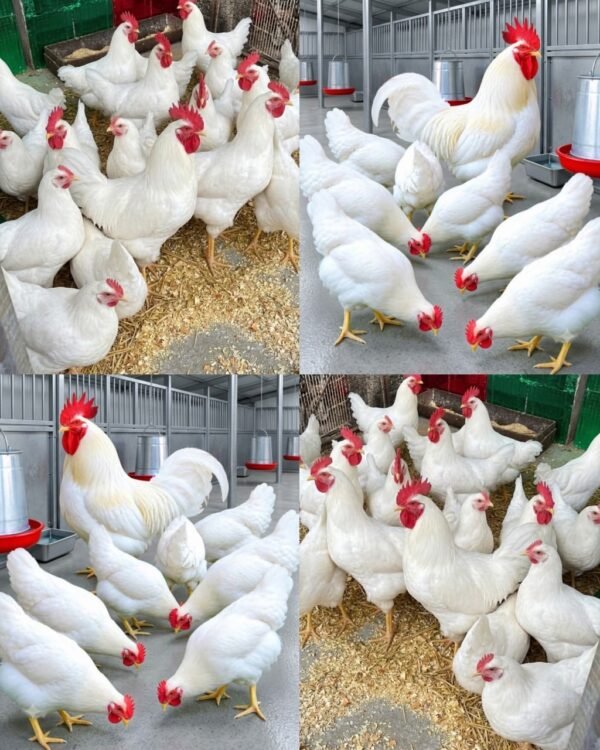
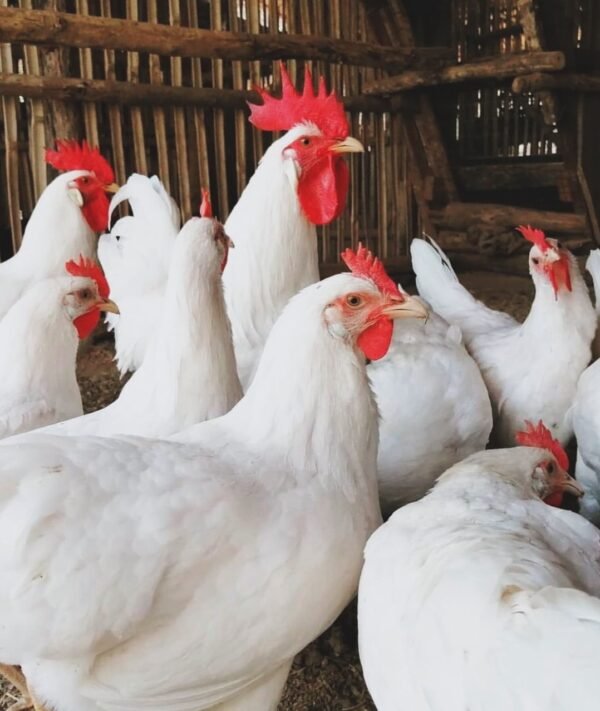
At Pure Greenland Farm, I raise Leghorn chickens for customers looking for active, hardy and highly productive egg-laying birds. Leghorns are one of the best-known Mediterranean-type chicken breeds and are particularly recognized for their ability to produce large white eggs while maintaining a relatively small body and active foraging behavior.
The breed traces its ancestry to chickens from the Tuscany region of northern Italy, with birds from the Italian port of Livorno being exported to America in the 1800s. The English name “Leghorn” comes from the Anglicization of Livorno. Leghorns later became extremely important in the development of modern commercial white-egg production.
I raise Leghorns for customers interested in egg production, breeding, free-range poultry, backyard chickens, homesteads and farm flocks. Depending on availability, I can provide young chicks, growing pullets, mature laying hens, roosters and breeding stock.
Leghorn chicks are an excellent option for customers who want to develop their own productive laying flock from a young age. I give young chicks appropriate starter feed, clean drinking water, warmth, ventilation and protection from predators.
Leghorn chicks are active from an early age and generally feather relatively quickly. As they mature, their body structure, upright carriage and characteristic breed coloration become more obvious.
When raising Leghorn chicks, I recommend using a secure brooder because these birds can become quite active and agile as they grow.
Leghorn pullets are young female chickens approaching laying age. They are a useful option for customers who want future egg layers without starting with newly hatched chicks.
I focus on balanced nutrition, clean water, appropriate housing and adequate space while pullets develop. Once mature, Leghorn hens can become productive members of an egg-focused flock.
Leghorn hens are primarily valued for egg production. The Livestock Conservancy lists Leghorns as an egg breed and reports production ranging broadly from about 150 to 320 large to extra-large white eggs annually depending on the strain and management.
Oklahoma State University also describes Leghorns as primarily layers, with hens laying around 200 or more eggs per year.
Actual production varies according to genetics, age, nutrition, daylight, health and management, so I do not represent a particular egg count as guaranteed.
Leghorn roosters are useful when establishing or maintaining a breeding flock. They have the characteristic upright carriage, active behavior and strong breed type associated with Leghorns.
When selecting a breeding rooster, I look for good overall condition, sound legs and feet, appropriate breed characteristics and healthy development. A suitable rooster can be paired with quality hens to produce the next generation of Leghorn chicks.
I raise Leghorns for customers who want breeding birds in addition to egg layers. A good breeding flock should contain healthy males and females that represent the desired variety and breed characteristics.
Leghorns come in numerous recognized varieties, including Single Comb White, Single Comb Light Brown, Single Comb Dark Brown, Single Comb Black, Single Comb Buff, Single Comb Silver, Single Comb Red and several other varieties. Rose-combed varieties are also recognized.
One of the biggest reasons customers choose Leghorns is their white eggs. Leghorn eggs are generally medium to large or large to extra-large depending on the strain.
I raise Leghorns for customers who want productive white-egg layers for backyard flocks, homesteads and small farms.
When available, fertile Leghorn hatching eggs can be an excellent way for poultry keepers to expand their own flock.
Successful hatching depends on fertility, proper egg handling, storage, incubation temperature, humidity, ventilation and turning. Fertile eggs should therefore be handled carefully and incubated using appropriate procedures.
One of the interesting characteristics of Leghorns is their relatively small appetite compared with their egg-producing ability. Historical breed descriptions emphasize their ability to produce many eggs without requiring as much feed as larger-bodied breeds.
I provide appropriate poultry feed according to the bird’s age and production stage. Chicks need chick starter, growing birds need suitable grower nutrition, and laying hens require a balanced layer ration with appropriate calcium.
Clean drinking water should always be available.
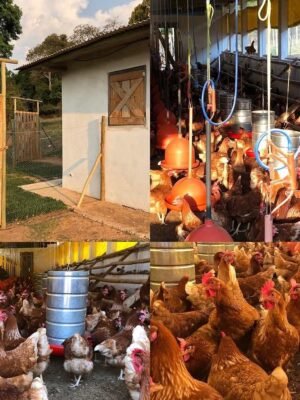
Leghorns need secure housing with good ventilation, clean bedding, appropriate perches and protection from predators.
They are active birds and generally appreciate space to move, scratch and forage. The Livestock Conservancy notes that non-industrial Leghorns can tolerate confinement but may become bored if kept in an overly small area.
Because Leghorns can fly well, I recommend secure fencing or covered runs when free-ranging is not appropriate.
Leghorns can be excellent backyard egg producers when the owner wants active chickens rather than extremely docile birds.
They are energetic, curious and enthusiastic foragers. However, their active nature also means they may not be the best choice for someone specifically looking for a quiet, cuddly chicken. The Livestock Conservancy describes them as very active and notes that some strains can be flighty and easily startled.
For a homestead focused on egg production, Leghorns can provide a highly productive flock while requiring less feed than many larger-bodied breeds.
I particularly recommend considering them when the main goal is a strong white-egg supply rather than producing a large meat carcass.
Leghorns have a long history as productive farm egg birds and later became foundational to commercial white-egg production.
Their combination of egg production, active foraging, vigor and relatively small body size makes them useful for egg-focused farms and small poultry operations.
Leghorns are primarily egg chickens rather than meat chickens. Their smaller body makes them less suitable for customers whose main goal is large meat production.
For a dual-purpose flock where both eggs and substantial table birds are important, I would generally consider a larger dual-purpose breed. Leghorns are better suited to customers prioritizing eggs.
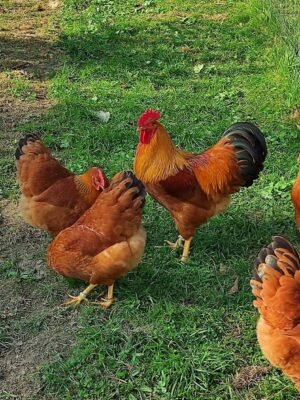
Leghorns have a distinctive Mediterranean-type appearance with an upright carriage, relatively narrow body, prominent tail and active posture.
Depending on the variety, they can have white, brown, black, buff, silver, red or other recognized plumage patterns. They have red wattles, white earlobes and either a single or rose comb.
The Livestock Conservancy lists typical non-industrial Leghorn weights at approximately 6 pounds for males and 4.5 pounds for females.
Leghorn hens are smaller than mature males and are the primary egg-producing birds in the flock.
Leghorn roosters are larger, develop more pronounced male feathering and are primarily kept for breeding.
When keeping a breeding flock, I recommend maintaining an appropriate male-to-female ratio and providing sufficient space to prevent unnecessary flock stress.
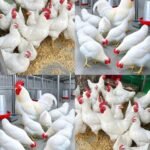
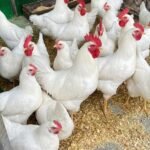
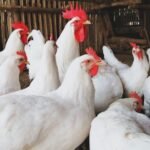
White Leghorns are probably the most widely recognized variety of the breed and are strongly associated with commercial white-egg production.
Their white plumage, red comb and white eggs make them easy to identify. They are especially attractive to customers who want a dedicated white-egg laying flock.
Brown Leghorns are another established variety, with attractive brown and patterned plumage depending on the specific variety and line.
They retain the active, productive and strong-foraging characteristics associated with Leghorns while providing a very different appearance from White Leghorns.
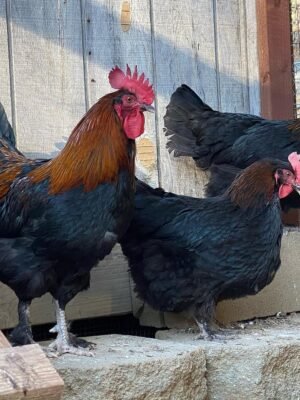
Black Leghorns are a recognized variety and are attractive to customers who want the productivity and active character of the breed combined with dark plumage.
Their black feathers can provide an attractive contrast with their red comb and wattles.
Leghorns and Black Australorps are both popular egg-producing chickens, but they have different body types and characteristics.
Leghorns are smaller, lighter-bodied and more active, with white eggs. Australorps are larger dual-purpose chickens that produce tinted to light-brown eggs.
If your priority is highly productive white eggs from an active Mediterranean-type chicken, Leghorn may fit your flock goals. If you want a larger dual-purpose bird with brownish eggs, Australorp has different characteristics.
Leghorns and Rhode Island Reds can both be useful egg-producing chickens, but they differ in appearance, egg color and body type.
Leghorns are lighter-bodied and known for white eggs, while Rhode Island Reds are larger-bodied and traditionally associated with brown eggs.
Your choice can depend on whether you prioritize white eggs, brown eggs, body size, temperament, free-ranging behavior and overall flock purpose.
Leghorns can be manageable for poultry keepers who specifically want active egg-laying birds, but their temperament is different from very calm breeds.
The Livestock Conservancy notes that Leghorns can be very active, noisy and sometimes flighty, and describes them as more appropriate for novice/intermediate keepers depending on the situation rather than as cuddly pet chickens.
For a beginner, I recommend learning the basics of poultry housing, feeding, predator protection and flock management before choosing the breed.
Leghorns are Mediterranean-type chickens and are generally well suited to warm conditions. The Livestock Conservancy’s breed comparison information identifies the non-industrial Leghorn as best suited to hot to moderate climates.
During hot weather, I still provide shade, ventilation and plenty of clean drinking water.
For single-comb Leghorns kept in very cold climates, the large comb can be vulnerable to frostbite. Rose-combed varieties are better suited to cold conditions.
Leghorns are excellent active foragers. They enjoy scratching, searching for insects and exploring their surroundings.
The Livestock Conservancy describes non-industrial Leghorns as splendid foragers and notes their ability to thrive on different types of soil.
I recommend secure free-ranging or a well-managed run because Leghorns can fly and may travel farther than less active chicken breeds.
I raise Leghorn chickens because they are highly useful birds for customers whose main goal is egg production. I appreciate their vigor, active nature, excellent foraging ability and strong history as productive white-egg layers.
They are also efficient birds for a farm because their smaller body means they generally require less feed than many larger chicken breeds. Their combination of productivity and hardiness is one of the main reasons I keep them in my farm poultry program.
When you contact me about Leghorn chickens, I can help you identify the available variety and age group that best matches your needs.
Depending on current availability, I may have Leghorn chicks, pullets, mature hens, roosters, breeding stock or hatching eggs.
Availability changes according to breeding schedules, season, age and current flock production. Contact Pure Greenland Farm for current availability, quantities and ordering information.
Breed: Leghorn Chicken
Origin: Northern Italy / Livorno region
Type: Mediterranean egg breed
Primary Use: Eggs
Egg Color: White
Egg Size: Medium to large / large to extra-large depending on strain
Typical Male Weight: Approximately 6 lb
Typical Female Weight: Approximately 4.5 lb
Temperament: Very active
Foraging Ability: Excellent
Broodiness: Low; Leghorns rarely go broody
Plumage: Multiple recognized varieties
Best Known For: High egg production, vigor, hardiness and efficient feed use
Available Types: Chicks, pullets, hens, roosters and breeding stock, subject to availability
| AGE | CHICKS, PULLETS, LAYING HENS, ROOSTERS |
|---|

Reviews
There are no reviews yet.