
Beautiful Plants For Your Interior
Price range: $15.00 through $50.00
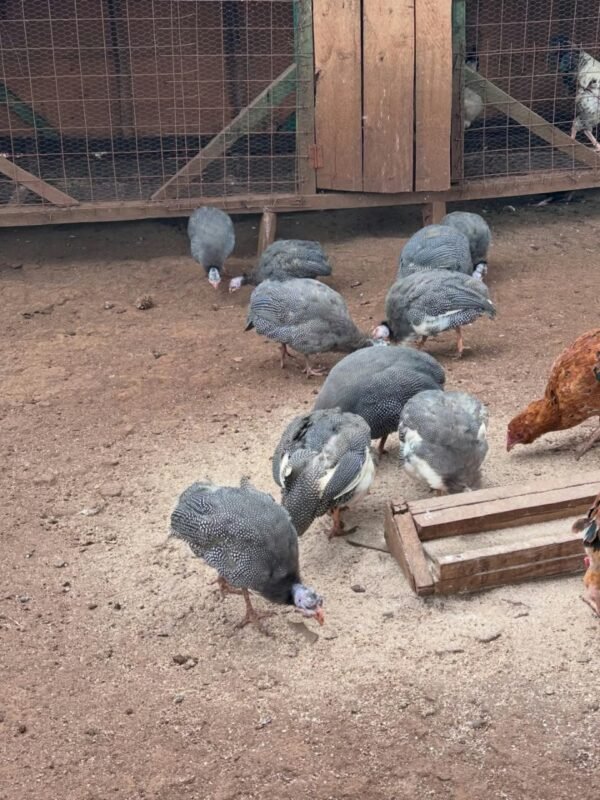
At Pure Greenland Farm, I raise Lavender Guinea Fowls for customers looking for attractive, productive and useful guinea fowl for farms, homesteads, backyard poultry collections and breeding programs. Lavender is a recognized color variety of domesticated Helmeted Guinea Fowl, known for its distinctive light gray to lavender appearance with contrasting white spotting. FAO describes Lavender as one of the principal domesticated guinea-fowl varieties.
I offer Lavender Guinea Fowls from young guinea fowl keets to growing birds and mature breeding stock, depending on availability. My goal is to provide properly cared-for birds that can fit into different types of poultry operations, whether you are starting a small backyard flock, expanding a homestead, establishing a breeding group or adding an attractive color variety to your farm.
Lavender Guinea Fowl keets are the young stage of these birds and require careful attention during their early development. I provide appropriate starter care, clean drinking water, suitable housing and a balanced poultry diet while the keets are developing.
Young guinea fowl need protection from excessive cold, damp conditions, predators and other hazards. As they grow, they can gradually be introduced to larger housing and outdoor areas appropriate for their age and environment.
If you are searching for Lavender Guinea Fowl keets for sale, baby Lavender Guinea Fowl, or Lavender Guinea Fowl chicks, availability can depend on the breeding season and the number of birds currently being raised on my farm.
Adult Lavender Guinea Fowls are attractive birds for farms and homesteads because of their unusual plumage and active natural behavior. The Lavender color is generally described as a light gray or lavender base with white spotting or pearling.
I raise mature Lavender Guinea Fowls for customers interested in breeding, egg production, meat production, farm flocks and ornamental poultry collections. Adult birds should have secure housing, sufficient space, clean water and a balanced diet.
I also raise Lavender Guinea Fowls for customers who want to establish their own breeding groups. When selecting breeding birds, I recommend paying attention to overall condition, body development, age, sex and the quality of the breeding line.
Because male and female guinea fowl can look very similar, identifying sex can be more difficult than with some other poultry. FAO notes that sex differences in appearance are limited and that vocal characteristics can help distinguish males and females as the birds mature.
For customers searching for Lavender Guinea Fowl breeding pairs, Lavender males, Lavender females, or Lavender breeding stock, I can provide birds according to availability.
Lavender Guinea Fowl hens can produce eggs as part of their seasonal laying cycle. Guinea fowl eggs are generally smaller than many chicken eggs and have relatively strong shells.
Production varies considerably with genetics, nutrition, age, management, daylight and environmental conditions. A study comparing Lavender, Pearl and White guinea fowl found broadly similar egg production among the varieties under its experimental conditions, demonstrating why production figures should be treated as variable rather than guaranteed.
I raise Lavender Guinea Fowls for customers interested in guinea fowl eggs, breeding eggs and establishing productive breeding flocks.
Customers who already have suitable incubation equipment may also be interested in Lavender Guinea Fowl hatching eggs.
Successful hatching depends on egg quality, fertility, storage, incubation temperature, humidity, turning and sanitation. I recommend using fresh, properly handled eggs and following the instructions for your particular incubator.
If you are looking for Lavender Guinea Fowl fertile eggs, availability will depend on the breeding season and my current laying flock.
I feed my guinea fowl with their age and stage of development in mind. Young keets require an appropriate starter ration, while growing and adult birds need diets suited to their nutritional requirements.
When birds have access to pasture or outdoor areas, they can also spend time naturally foraging. Guinea fowl are active birds, so I provide adequate space for movement and make sure clean drinking water is continuously available.
Feed should always be stored properly and protected from moisture, rodents and contamination.
I recommend secure housing for Lavender Guinea Fowls, especially at night. Guinea fowl can be active and independent birds, but secure housing helps protect them from predators and unfavorable weather.
Their enclosure should provide:
For free-range systems, I recommend gradually training young birds to return to their housing before allowing them extensive outdoor freedom.
No. Lavender Guinea Fowls do not require a pond or swimming pool like ducks and geese.
They do need dependable access to clean drinking water, but their housing and outdoor area can be designed without a pond. This makes them practical for customers who want guinea fowl without maintaining waterfowl facilities.
Lavender Guinea Fowls can be a useful addition to a diversified farm. I raise them for customers interested in combining poultry production, breeding and ornamental birds.
Their active foraging behavior also makes them interesting farm birds for properties where owners want poultry that spends time searching through outdoor areas. However, I do not describe guinea fowl as a guaranteed pest or tick-control solution because results vary according to property, flock size, habitat and management.
For homesteads, Lavender Guinea Fowls can provide eggs, meat, breeding opportunities and attractive poultry for the property.
Their distinctive coloration also makes them appealing to people who want something different from standard chicken breeds. I recommend providing secure nighttime housing and enough outdoor space for their active nature.
If you are searching for Lavender Guinea Fowls for a backyard farm, consider your available space, neighbors, fencing and housing before ordering.
Guinea fowl can be more active and vocal than chickens, so they are best suited to properties where their natural behavior can be accommodated.
Guinea fowl can also be raised for meat. Research comparing Lavender, Pearl Grey and Royal Purple varieties has evaluated carcass characteristics under intensive management, showing that Lavender is among the domesticated guinea-fowl varieties used for meat production.
For customers interested in meat birds, I recommend choosing healthy, well-developed birds and providing proper nutrition throughout the growing period.
One of the main reasons customers choose Lavender Guinea Fowl is their distinctive appearance.
The variety is generally characterized by a light gray, lavender or steel-gray coloration with white spotting/pearling. Guinea Fowl International likewise describes Lavender as a steel-gray or lavender color with pearling across the body.
This gives the birds a softer appearance than traditional Pearl Guinea Fowl while retaining the recognizable guinea-fowl body shape.
Both Lavender and Pearl Guinea Fowl belong to domesticated Helmeted Guinea Fowl, but their plumage differs.
Pearl Guinea Fowl typically have a darker purplish-gray appearance with prominent white pearling, while Lavender Guinea Fowl have a lighter lavender or gray base with white markings.
The best choice depends on the customer’s goals, preferred appearance, breeding plans and available birds.
Male and female Lavender Guinea Fowls can look remarkably similar. This means buyers establishing breeding groups should take care when selecting males and females.
I can provide Lavender Guinea Fowl breeding stock according to availability, including males, females and breeding groups.
I raise Lavender Guinea Fowls because they combine attractive coloration with the useful qualities associated with domesticated guinea fowl.
I particularly enjoy raising them for customers who want poultry that is different from conventional chickens and who appreciate the unusual lavender-gray plumage. They are suitable for breeding programs, farms, homesteads, backyard poultry collections and ornamental poultry operations.
If you are searching for Lavender Guinea Fowls for sale, Lavender Guinea Fowl keets for sale, adult Lavender Guinea Fowls, Lavender breeding pairs, or Lavender Guinea Fowl eggs, contact Pure Greenland Farm to check current availability.
Availability can vary according to age, breeding season, flock size and current orders. I recommend confirming the bird’s age, sex, quantity and intended purpose before completing an order.
Product: Lavender Guinea Fowls
Type: Domesticated Helmeted Guinea Fowl variety
Available stages: Keets, growing birds and adults, subject to availability
Primary uses: Breeding, eggs, meat, farming, homesteads, backyard poultry and ornamental collections
Color: Lavender/light gray with white spotting or pearling
Water requirement: Drinking water required; pond not required
Suitable for: Farms, homesteads and appropriate backyard poultry setups
Breeding: Yes
Eggs: Yes
Meat use: Yes
Farm raised: Yes, subject to current inventory
Pure Greenland Farm — Lavender Guinea Fowls raised with care for farms, homesteads, breeding programs and poultry enthusiasts.
| AGE | CHICKS, ADULTS |
|---|
Reviews
There are no reviews yet.