
Beautiful Plants For Your Interior
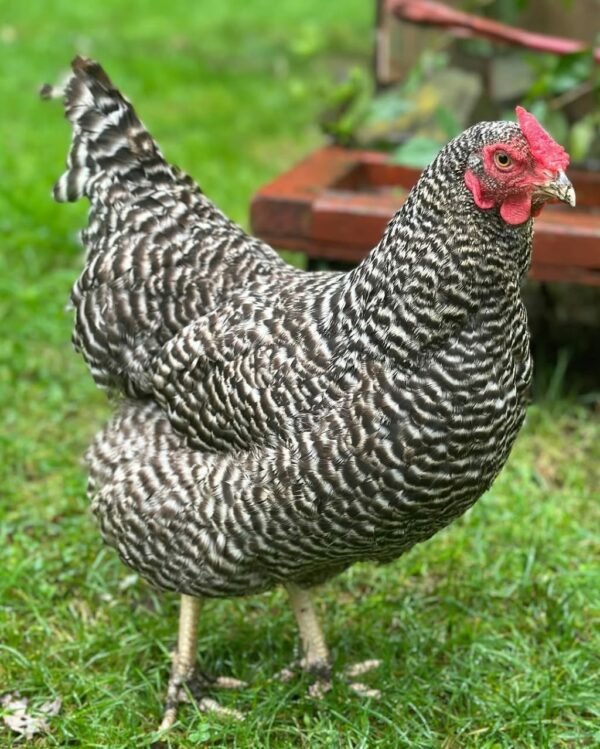
I raise Dominique chickens at Pure Greenland Farm for customers looking for a hardy American heritage breed with a long history of usefulness on family farms and homesteads.
The Dominique is recognized by The Livestock Conservancy as one of America’s oldest chicken breeds. Historical accounts place Dominiques in America by at least the 1750s, and the breed became an important farm bird because of its ability to forage, produce eggs and provide meat. The breed was included in the first American Poultry Association Standard of Perfection in 1874.
I appreciate Dominique chickens because they are active, adaptable and useful for both backyard and farm environments. I raise my birds with attention to balanced nutrition, clean housing, fresh water, adequate space and good flock management.
Dominique chicks are an excellent way to start a heritage chicken flock from a young age.
I raise Dominique chicks with appropriate chick starter feed, clean drinking water, warmth and secure brooder housing. Young Dominiques feather relatively early and develop into active, hardy birds.
When purchasing Dominique chicks, I recommend preparing the brooder before the birds arrive. A good brooder should include:
Dominique pullets are young female birds developing toward maturity and future egg production.
I raise Dominique pullets for customers who prefer to start with more developed birds rather than brooding newly hatched chicks.
As pullets mature, I provide appropriate grower nutrition, clean water, safe housing and enough room for normal movement. Future laying performance depends on genetics, age, nutrition, daylight, health and flock management.
Mature Dominique hens are valued primarily for egg production while also contributing to breeding programs and homestead flocks.
The Livestock Conservancy reports historical laying performance of approximately 230–275 medium to large brown eggs per year, although actual production varies between individual birds and breeding lines.
I provide my Dominique hens with quality layer nutrition, clean water, suitable nesting boxes, safe housing and opportunities to forage when conditions allow.
I raise Dominique roosters for customers who want to establish or expand a Dominique breeding flock.
Dominique roosters have the characteristic black-and-white barred plumage and rose comb associated with the breed. Mature males are larger than females, with The Livestock Conservancy listing approximately 7.5 pounds for males and 5 pounds for females.
When selecting a rooster for breeding, I pay attention to overall structure, vigor, plumage pattern, temperament and compatibility with the hens.
I provide Dominique breeding stock for customers who want to maintain their own heritage flock or hatch Dominique chicks.
A breeding program can include:
I recommend selecting breeding birds for good overall health, body structure, vigor and breed characteristics rather than relying on a single trait.
Dominique hens lay brown eggs, generally in the medium-to-large range. The Livestock Conservancy describes the breed as primarily an egg-producing dual-purpose bird.
For customers interested in Dominique hatching eggs, proper collection, storage and incubation are important. Hatch rates can vary according to fertility, breeder condition, egg handling, storage time and incubator management.
If you plan to hatch Dominique chicks, I recommend preparing your incubator before beginning the project.
I feed Dominique chickens according to their age and production purpose.
Because Dominiques are active foragers, I also give my birds opportunities to scratch and explore when the environment is safe.
Dominique chickens can be kept in a secure chicken coop, fenced run, pasture or managed free-range environment.
I recommend providing:
The breed is capable of living in confinement but is particularly well suited to environments where it can forage.
Yes. Dominique chickens are especially well suited to free-range and managed pastured environments.
The Livestock Conservancy describes the Dominique as an excellent forager that likes to range, while Oklahoma State University notes that the breed performs well on open range as well as in confinement.
I like allowing my birds to forage when conditions are safe because scratching and searching for insects and vegetation provide natural activity.
Free-ranging should still be combined with appropriate predator protection and secure nighttime housing.
Dominique chickens can be a useful choice for backyard chicken keepers, homesteaders and small farms.
A Dominique flock can provide:
The breed is listed by The Livestock Conservancy as suitable for novice keepers.
Although Dominique chickens are primarily valued today as laying birds, they are officially classified as a dual-purpose breed for eggs and meat.
The breed has moderate body size and good breast proportions for a heritage farm chicken. The Livestock Conservancy notes that Dominiques have useful meat characteristics even though egg production is their primary purpose.
For customers interested in a traditional farm chicken rather than a specialized commercial meat hybrid, I consider Dominique chickens a useful option.
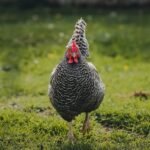
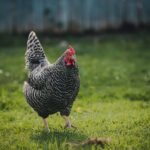
The Dominique is one of the easiest heritage breeds to recognize because of its distinctive black-and-white barred, or “cuckoo,” plumage.
Typical characteristics include:
The rose comb and close-fitting feathering are important characteristics of the Dominique breed. The low-profile rose comb and tight feathering are also associated with good cold-weather resistance.
Dominique roosters are larger than Dominique hens.
Approximate mature weights from The Livestock Conservancy are:
Oklahoma State University gives approximately 7 pounds for a cock and 5 pounds for a hen.
Hens are particularly valuable for egg production and breeding, while roosters are important for maintaining breeding programs and producing Dominique offspring.
Yes. Dominique chickens have a long history as useful egg-producing farm birds.
The Livestock Conservancy reports approximately 230–275 brown eggs per year historically, while noting that individual performance can vary.
Factors that influence egg production include:
I therefore treat production numbers as breed references rather than guarantees for every hen.
Dominique chickens can be suitable for beginner poultry keepers.
The Livestock Conservancy describes them as family-friendly and suitable for people who are beginning with chickens, while Oklahoma State University describes them as generally calm and easy to work with.
I recommend providing beginners with a properly prepared coop, appropriate feed, clean water and predator protection regardless of breed.
Dominique chickens are generally described as calm, genial and family-friendly.
The Livestock Conservancy specifically describes the breed as friendly and personable and notes that it can be a good choice for children and beginning farmers.
Individual birds can still have different personalities, so I always recommend gentle handling and careful observation when introducing birds to a family flock.
Broodiness varies among Dominique hens and breeding lines.
The Livestock Conservancy notes that some Dominique hens may become broody and that broody hens can make good mothers.
For customers who specifically want naturally broody hens, I recommend selecting breeding stock from lines known for that characteristic. For reliable scheduled hatching, an incubator can provide another option.
Dominique chickens can adapt well to warm and humid conditions. The Livestock Conservancy notes that they can adapt well to hot, humid climates and its breed comparison chart lists them as doing well in any climate.
During hot weather, I provide:
Dominique chickens are also well adapted to cold conditions.
Their close feathering and low-profile rose comb are characteristics associated with resistance to frostbite compared with some other chicken types.
I still recommend keeping the coop dry and well ventilated while preventing direct drafts at bird level.
I consider Dominique chickens particularly suitable for traditional homesteads because of their combination of egg production, foraging ability, moderate size and adaptability.
A Dominique flock can support:
The Livestock Conservancy specifically describes the Dominique as excellent for homesteads and foraging.
Dominique and Plymouth Rock chickens have an important historical relationship.
The Dominique is an older American breed, and historical accounts indicate that Black Java chickens were crossed with single-combed Dominiques in the 1860s during the development of Plymouth Rock. The two breeds were formally distinguished in the 1870s partly by comb type: rose-combed barred birds were classified as Dominiques, while single-combed barred birds were classified as Plymouth Rocks.
Today, the easiest visual distinction is that the Dominique has a rose comb, while the classic Barred Plymouth Rock has a single comb.
Dominique chickens and Rhode Island Red chickens are both American heritage breeds that can provide eggs and meat, but their appearance is very different.
Dominique chickens have black-and-white barred plumage and a rose comb, while Rhode Island Reds have predominantly deep red plumage and a different body and comb appearance.
Dominiques are particularly noted for foraging ability and adaptability, while Rhode Island Reds are widely recognized as dual-purpose brown-egg chickens.
I raise Dominique chickens because they represent an important part of American poultry history while still offering practical value for today’s backyard farms and homesteads.
I appreciate their excellent foraging ability, useful brown egg production, moderate body size, distinctive barred appearance and generally manageable temperament.
I also value the breed’s hardiness and adaptability. The Dominique survived periods of declining popularity partly because of its usefulness and ease of upkeep, and today it remains a conservation-priority heritage breed. The Livestock Conservancy currently lists Dominique as Watch.
If you are looking for Dominique chickens for sale, Dominique chicks for sale, Dominique pullets, Dominique laying hens, Dominique roosters, Dominique breeding pairs, Dominique breeding stock or Dominique hatching eggs, contact Pure Greenland Farm to ask about current availability.
Availability can vary according to age, season, breeding schedules and flock numbers.
I can help you identify the right Dominique birds for your backyard flock, homestead, breeding project, egg production or small farm.
Dominique chickens are one of America’s oldest recognized chicken breeds, with a documented history in America dating back to at least the 1750s. They are a dual-purpose heritage breed valued for eggs, meat, foraging and homestead use.
The Livestock Conservancy lists Dominique chickens at approximately 7.5 pounds for males and 5 pounds for females, with brown medium-to-large eggs and historical laying performance of approximately 230–275 eggs per year.
At Pure Greenland Farm, I raise Dominique chicks, pullets, hens, roosters and breeding stock for customers searching for farm-raised heritage chickens.
If you are looking for Dominique chickens for sale, Dominique chicks for sale, Dominique hens, Dominique roosters, Dominique breeding pairs, Dominique hatching eggs, barred heritage chickens or free-range chickens, contact Pure Greenland Farm to ask about current availability.
| AGE | CHICKS, PULLETS, LAYING HENS, ROOSTERS |
|---|
Reviews
There are no reviews yet.