
Beautiful Plants For Your Interior
Price range: $5.00 through $45.00
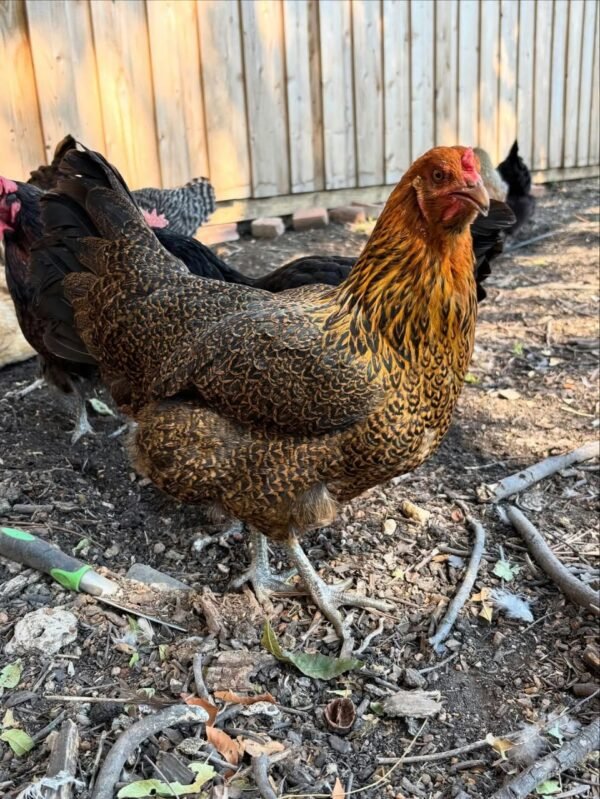
I raise Easter Egger chickens at Pure Greenland Farm for customers who want a backyard or farm flock capable of producing interesting and colorful eggs.
Unlike a standardized breed such as a Rhode Island Red or Plymouth Rock, Easter Egger is a common poultry term for chickens with mixed ancestry that carry genes associated with colored eggshells. Their ancestry can include breeds such as Ameraucana or Araucana, among others.
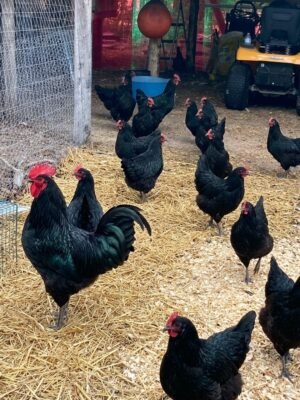
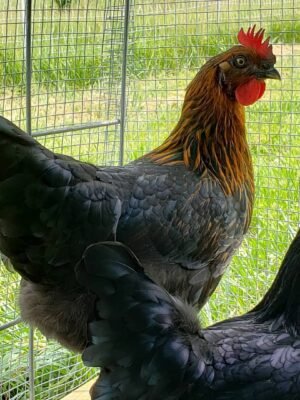
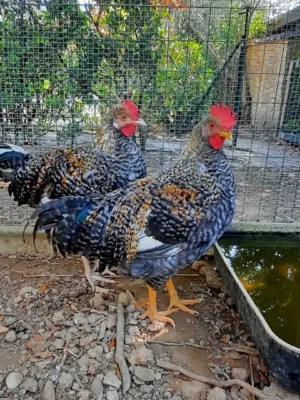
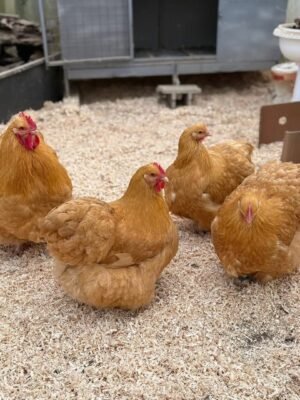
Because Easter Eggers are not one standardized breed, their appearance, size, temperament, comb type, feather color and egg color can vary considerably from bird to bird.
That variety is exactly what makes Easter Egger chickens so interesting. I raise them for customers who want colorful egg baskets, attractive backyard birds, breeding projects and productive homestead flocks.
Easter Egger chicks are popular because you may not know exactly what their adult appearance will be until they grow.
I raise my Easter Egger chicks with appropriate chick starter feed, clean water, warmth, safe brooder housing and regular observation.
Depending on their genetics, Easter Egger chicks can mature into birds with different:
When ordering Easter Egger chicks, customers should understand that chick appearance does not always predict the exact color of eggs a mature hen will lay.
Easter Egger pullets are young females being raised toward maturity and future egg production.
For customers who do not want to manage the earliest brooding stage, pullets can be a convenient way to establish a colorful egg-laying flock.
As my pullets mature, I provide appropriate grower nutrition, clean water, secure housing and enough space for normal activity.
Egg color usually becomes clear only after a pullet reaches laying age, and individual birds can produce different shades depending on their genetics.
Mature Easter Egger hens are especially popular with customers looking for blue, green, olive or other unusual-colored eggs.
I raise Easter Egger hens for backyard flocks, homesteads and small farms where customers want a combination of attractive birds and colorful eggs.
One of the most important things to understand about Easter Egger hens is that egg color is genetic. A hen may produce blue, green, olive, tinted or another shade depending on the genes she carries.
I therefore avoid promising a specific egg color unless the individual hen’s laying history is already known.
I raise Easter Egger roosters for customers interested in breeding projects and maintaining colorful-egg genetics in their flock.
When breeding Easter Eggers, the genetics of both the rooster and hen matter. Breeding two Easter Eggers does not automatically guarantee that every female offspring will lay the same color egg as her mother.
For customers building a breeding program, I recommend keeping records of parentage and the egg colors produced by mature hens.
Easter Egger breeding stock is popular among backyard poultry keepers who want to experiment with colored-egg genetics.
A breeding flock can include:
When selecting breeding birds, I pay attention to overall health, body structure, vigor, temperament and the known egg-color history of the hens where that information is available.
Easter Egger hens are best known for producing colorful eggs.
Depending on genetics, egg shells may appear:
The exact color can vary even within the same flock.
If you are purchasing Easter Egger hatching eggs, remember that the offspring’s eventual egg color cannot be guaranteed simply because the parent hen laid a particular shade.
Proper egg collection, handling, storage and incubation are also important for successful hatching.
I feed Easter Egger chickens according to their age and purpose.
Good nutrition is particularly important for laying hens because egg production requires adequate protein, minerals and calcium.
I keep Easter Egger chickens in clean, dry and secure housing with adequate ventilation.
A suitable Easter Egger chicken coop should include:
Easter Eggers can also be kept in fenced runs or managed free-range systems when conditions are appropriate.
Yes. Easter Egger chickens can be managed in free-range and pastured environments.
I like giving my birds opportunities to scratch, forage and explore when the area is safe.
Free-ranging can provide natural activity and access to insects and vegetation, but it should not replace a balanced poultry diet.
I also recommend secure nighttime housing and protection against predators.
Easter Eggers are especially popular with backyard chicken keepers because every flock can look different.
A backyard Easter Egger flock can provide:
Their variety makes them particularly interesting for families who enjoy collecting eggs in different colors.
I raise Easter Eggers for homesteaders who want something different from a traditional brown-egg flock.
A small Easter Egger flock can provide a colorful assortment of eggs while also functioning as a normal backyard or homestead chicken flock.
They can be kept alongside many other compatible chicken breeds, provided the flock has adequate space, feed, water and appropriate introductions.
Egg production is one of the main reasons customers look for Easter Egger chickens.
The exact production level varies because Easter Eggers are not a standardized breed. Genetics, age, nutrition, daylight, health and management all influence laying.
I recommend choosing a specific hen based on her known production history if consistent egg characteristics are especially important to you.
The colorful egg basket is the biggest attraction of Easter Egger chickens.
Some Easter Egger hens inherit genes that produce blue eggshells.
Green eggs can result from the interaction between a blue-shell genetic base and brown pigment deposited on the outside of the shell.
Olive-colored eggs are particularly popular among backyard chicken keepers and can result from combinations of blue-shell genetics and darker brown pigment.
Not every Easter Egger will lay blue or green eggs. Some may lay brown or tinted eggs depending on their genetic background.
For this reason, I always recommend treating egg color as a characteristic that varies between individual birds.
Easter Eggers and Ameraucanas are not the same thing.
An Ameraucana is a standardized chicken breed with defined breed characteristics, while Easter Egger is generally used for chickens with mixed ancestry that carry genes associated with colored eggs.
Both can produce blue or blue-green eggs, but an Easter Egger can show much greater variation in appearance and egg color.
Araucana is a recognized breed with distinctive historical characteristics, while Easter Eggers are generally mixed-background chickens.
Some Easter Eggers have Araucana ancestry, but an Easter Egger should not automatically be marketed as a pure Araucana.
For customers interested specifically in purebred birds, I recommend verifying the breed standard and breeding history.
Easter Eggers can sometimes produce olive-colored eggs, but Olive Egger is commonly used for chickens specifically bred from combinations of blue-egg and brown-egg genetics to produce olive or greenish eggs.
If your main goal is olive eggs, ask about the individual bird’s parentage and known laying history rather than relying only on the label.
One of the most interesting features of Easter Egger chickens is their variety.
Depending on their ancestry, they may have:
Because they are not one standardized breed, there is no single appearance that defines every Easter Egger.
Easter Egger roosters generally develop larger bodies, larger combs and more pronounced male feathering than hens.
However, appearance varies significantly depending on ancestry.
Hens are particularly valuable for egg production, while roosters are useful for breeding programs.
When selecting breeding pairs, I recommend looking at the complete family history whenever possible rather than selecting birds only by feather color.
Easter Eggers can be useful laying hens, but there is no single standardized production figure that applies to every Easter Egger.
Production varies according to:
For customers primarily interested in colorful eggs, I focus on birds with appropriate colored-egg genetics rather than promising an identical production level from every hen.
Yes, Easter Eggers can be a practical choice for backyard beginners when they are provided with proper poultry care.
They require the same fundamental management as other chickens:
Their colorful eggs also make them popular for families who want an interesting backyard flock.
Temperament varies because Easter Eggers are not a standardized breed.
Many are manageable and friendly when properly handled, but their personalities can differ depending on their individual genetics and upbringing.
I recommend gentle handling from a young age and observing temperament when selecting birds for family flocks.
Broodiness varies considerably among Easter Eggers because of their mixed genetic backgrounds.
Some hens may become broody while others may rarely or never show strong brooding behavior.
If consistent natural incubation is important, I recommend selecting a hen with a known broody history or using a suitable incubator.
Easter Egger chickens can be kept in warm climates when their housing is properly managed.
During hot weather, I provide:
Hot-weather management is especially important in areas where temperatures remain high for extended periods.
Easter Eggers can also be kept in colder climates when their housing is dry and appropriately ventilated.
I focus on:
Because Easter Eggers can have different comb types and feather characteristics, cold tolerance can vary between individual birds.
I raise Easter Eggers for customers who want colorful-egg chickens that can participate in managed free-range systems.
They enjoy scratching and exploring when given a safe environment.
I recommend combining free-ranging with secure fencing, predator protection and nighttime housing. Free-range access should also be considered alongside the nutritional needs of the flock.
I raise Easter Egger chickens because they bring variety to the farm.
I enjoy seeing the different feather colors, patterns and personalities that can occur within an Easter Egger flock, but the biggest attraction for many customers is the possibility of collecting blue, green, olive and other unusual eggs.
I also like Easter Eggers for backyard and homestead customers who want a flock that feels unique rather than completely uniform.
If you are looking for Easter Egger chickens for sale, Easter Egger chicks for sale, Easter Egger pullets, Easter Egger laying hens, Easter Egger roosters, Easter Egger breeding pairs, Easter Egger breeding stock or Easter Egger hatching eggs, contact Pure Greenland Farm to ask about current availability.
Availability can vary according to age, season, breeding schedules and flock numbers.
If your main goal is a particular egg color, tell me whether you are looking for blue eggs, green eggs, olive eggs or another color, so I can help you select birds according to their known genetics or laying history where available.
Easter Egger chickens are popular colored-egg chickens generally produced from mixed genetic backgrounds carrying genes associated with blue or green eggshells. Unlike standardized breeds, Easter Eggers can vary significantly in appearance, size, temperament, comb type and egg color.
At Pure Greenland Farm, I raise Easter Egger chicks, pullets, hens, roosters and breeding stock for customers looking for colorful egg layers, backyard chickens, homestead poultry and farm-raised birds.
If you are searching for Easter Egger chickens for sale, Easter Egger chicks for sale, blue egg chickens, green egg chickens, olive egg chickens, colorful egg layers, Easter Egger hens or Easter Egger breeding stock, contact Pure Greenland Farm to ask about current availability.

| AGE | CHICKS, PULLETS, LAYING HENS, ROOSTERS |
|---|

Reviews
There are no reviews yet.