
Beautiful Plants For Your Interior

Price range: $15.00 through $50.00
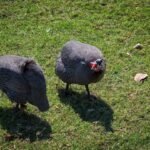
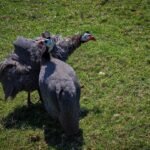
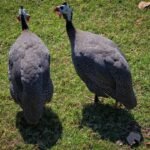
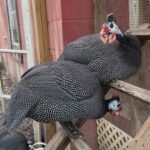
At Pure Greenland Farm, I raise Helmeted Guinea Fowls for customers looking for birds for breeding, eggs, meat, farm use, homesteading, pest management and backyard flocks. The Helmeted Guinea Fowl is the most widely recognized type of domestic guinea fowl and is known for its distinctive helmet-like casque, bare head and attractive spotted plumage.
I raise my guinea fowl with attention to nutrition, clean water, secure housing, predator protection and responsible flock management. Whether you are looking for guinea fowl keets, adult guinea fowl, breeding pairs, males, females or hatching eggs, I can help you select birds according to your intended purpose and current availability.
Young guinea fowl are called keets. Keets require careful attention during their first several weeks because they are small, active and vulnerable to cold, damp conditions and predators.
When I raise guinea fowl keets, I provide suitable brooding conditions, appropriate starter feed, clean bedding and safe drinking water.
Keeping young keets dry is particularly important. I also make sure their housing is secure because guinea fowl can be active and adventurous even when young.
If you are searching for guinea fowl keets for sale, I can provide young birds when available for customers starting a new flock or expanding an existing one.
Adult Helmeted Guinea Fowls are active, alert birds that can adapt to a range of managed farm environments.
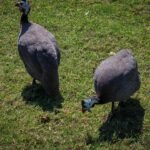
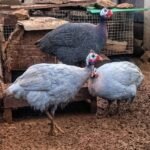
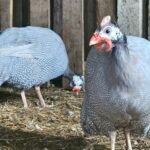
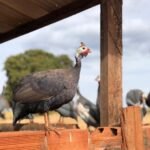
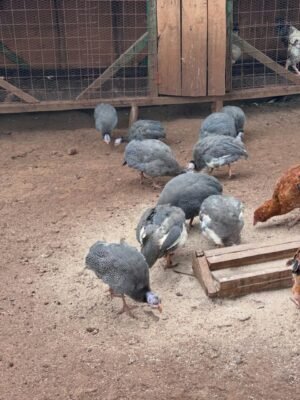
Their most recognizable features include a bare head, a hard casque or “helmet” on top of the head and spotted body plumage. Pearl-colored guinea fowl are particularly recognizable by their dark feathers covered with white spots.
I manage adult males and females according to the needs of my flock and the intended purpose of the birds.
Helmeted Guinea Fowls can be maintained as breeding birds for customers who want to produce their own keets.
When selecting breeding stock, I consider overall condition, maturity, body development and suitability for the breeding flock. Good nutrition, adequate space and secure housing are important for maintaining productive birds.
Customers searching for guinea fowl breeding pairs should plan their flock around their intended production goals before purchasing birds.
Female guinea fowl produce eggs that can be used for eating or hatching when properly handled.
Guinea fowl eggs are generally smaller than chicken eggs and have relatively strong shells. Their eggs can be used in a breeding program when fertile and properly collected.
If you are looking for guinea fowl eggs for hatching, fertility, egg handling, storage and incubation conditions all affect hatchability.
I do not guarantee that every hatching egg will produce a keet because fertility and hatch results can vary.
Customers who want to hatch their own keets can use fertile guinea fowl hatching eggs when available.
Successful incubation requires a clean incubator, stable temperature and humidity, proper ventilation and careful egg handling.
Once the keets hatch, a properly prepared brooder should already be available with suitable heat, dry bedding, appropriate feed and safe drinking water.
Guinea fowl can be maintained in breeding groups on suitable farms.
During the breeding season, guinea hens may prefer to lay eggs in hidden nests if they are allowed to range freely. This can make finding eggs difficult.
For controlled hatching, I recommend managing breeding birds and collecting eggs consistently rather than relying entirely on hidden nests.
Good nutrition is essential for guinea fowl at every stage.
Young keets require appropriate starter feed with sufficient protein for growth. Adult birds require a balanced diet appropriate for their age and purpose.
Guinea fowl naturally consume seeds, grains, insects and other foods when foraging, but managed birds should still receive appropriate poultry or game-bird nutrition.
I keep feed fresh and dry and protect it from rodents, moisture and contamination. Fresh drinking water should always be available.
One reason farmers choose guinea fowl is their natural tendency to forage for insects and other small food items.
Free-ranging guinea fowl can consume insects in areas where they are allowed to forage, which is why some farmers keep them as part of a broader pest-management strategy.
However, I do not describe guinea fowl as a guaranteed replacement for professional pest-control methods. Their effectiveness depends on flock size, habitat, available insects and how the birds are managed.
Helmeted Guinea Fowls can be useful additions to farms because they can provide eggs, meat, breeding stock and natural foraging activity.
I recommend providing secure nighttime housing even when birds are allowed to free-range during the day. This helps protect them from predators and provides a consistent place for feeding and shelter.
Guinea fowl can be active free-ranging birds.
When allowed to range, they naturally explore their surroundings and forage for insects, seeds and other food sources.
However, free-ranging guinea fowl can wander, fly and make considerable noise. I recommend gradually training birds to return to a secure shelter at night.
Helmeted Guinea Fowls can be a useful addition to a homestead where sufficient space and suitable housing are available.
They can provide eggs and meat while also contributing to natural insect foraging.
Before keeping guinea fowl, I recommend considering fencing, predators, neighbors, noise and local poultry regulations.
Guinea fowl can be kept in backyard settings where local rules allow them.
They generally require more room and different management from small domestic poultry kept entirely inside a coop.
If you are keeping guinea fowl near neighbors, remember that they can be considerably louder than chickens. Secure housing and appropriate fencing are important.
Helmeted Guinea Fowl can be raised for meat.
Guinea fowl meat is often considered lean and flavorful, and the birds can be raised as an alternative to chicken.
For meat production, I focus on appropriate nutrition, clean water, proper housing and responsible flock management.
Guinea fowl eggs can be collected for food or used for breeding when fertile.
Because production varies with age, season, nutrition, genetics and management, I do not promise a fixed number of eggs from every hen.
For customers interested primarily in high-volume egg production, chickens or specialized egg-laying poultry may be more appropriate. Guinea fowl are useful for multiple farm purposes rather than being solely an egg-production bird.
Male and female Helmeted Guinea Fowls can be difficult to distinguish when they are young.
As adults, there are differences in vocalization and some physical characteristics. In many cases, the sound made by the bird is a useful way of distinguishing sex.
When establishing a breeding flock, I recommend confirming sex carefully rather than relying only on appearance.
Yes. Even free-ranging guinea fowl benefit from secure nighttime housing.
I recommend providing a clean, dry and well-ventilated shelter where the flock can roost safely.
Training guinea fowl to return to the same shelter every evening can make flock management easier and reduce exposure to nighttime predators.
No. Guinea fowl do not require a swimming pond.
They need constant access to clean drinking water but are not waterfowl.
Water containers should be cleaned regularly and positioned where the birds can drink safely.
Guinea fowl require secure housing that protects them from predators and extreme weather.
I recommend dry, well-ventilated housing with sufficient roosting space and secure doors.
If birds are allowed to free-range, the nighttime shelter should be especially secure because guinea fowl are vulnerable to nocturnal predators.
Predator protection is an important part of keeping guinea fowl.
Depending on the location, threats can include foxes, raccoons, dogs, cats, birds of prey and other predators.
I recommend secure fencing, predator-resistant nighttime housing and regular inspection of the enclosure for openings or damaged areas.
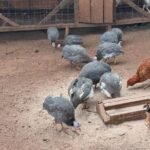
Guinea fowl can be kept alongside chickens in some farm environments, provided the birds have adequate space, suitable nutrition and secure housing.
However, guinea fowl have different behavior and vocalization patterns from chickens. They can be more active and noisy.
I recommend introducing birds gradually and monitoring the flock for aggression, stress or competition around food and water.
I raise Helmeted Guinea Fowls because they are versatile farm birds with applications in breeding, eggs, meat and natural foraging.
I also appreciate their alert nature and distinctive appearance. They bring a different type of activity to the farm compared with chickens, ducks and quails.
My focus is on proper feeding, clean water, secure housing, responsible breeding and careful flock management.
If you are searching for Helmeted Guinea Fowls for sale, guinea fowl keets, adult guinea fowl, breeding pairs, males, females or hatching eggs, contact Pure Greenland Farm to confirm current availability.
Availability can change according to breeding cycles, hatch dates, flock numbers and bird age. I recommend confirming the age, sex, quantity and intended purpose before placing an order.
Product: Helmeted Guinea Fowls
Common name: Guinea Fowl / Helmeted Guinea Fowl
Young birds: Keets
Available as: Keets, juveniles, adults and breeding stock, subject to availability
Primary uses: Breeding, eggs, meat, farm use and natural insect foraging
Eggs: Suitable for eating or hatching when properly handled
Water: Fresh drinking water required; swimming pond not required
Feed: Appropriate poultry/game-bird nutrition according to age and purpose
Housing: Secure, clean and well-ventilated
Free-ranging: Possible with appropriate training, space and predator protection
Suitable for: Farms, homesteads and backyard flocks, subject to local regulations
Farm: Pure Greenland Farm
I raise my Helmeted Guinea Fowls with attention to nutrition, clean water, secure housing and responsible flock management. Whether you are starting a guinea fowl flock, establishing breeding stock, raising keets or adding guinea fowl to your farm, I can help you choose birds according to your intended purpose and current availability.
Pure Greenland Farm — Farm-raised guinea fowl for breeding, eggs, meat and productive farm living.
| AGE | CHICKS, ADULTS |
|---|
Reviews
There are no reviews yet.