
Beautiful Plants For Your Interior
Price range: $15.00 through $50.00
The Vulturine Guinea Fowl is one of the most distinctive members of the guinea-fowl family. Unlike the domesticated guinea-fowl varieties commonly kept on farms, Vulturine Guinea Fowl are a wild African species and require specialized consideration when kept under human care.
At Pure Greenland Farm, I treat Vulturine Guinea Fowl differently from ordinary farm poultry. Any captive keeping, breeding or transfer of these birds should comply with applicable wildlife, animal-keeping and transport regulations. I do not represent wild-caught birds as ordinary farm poultry.
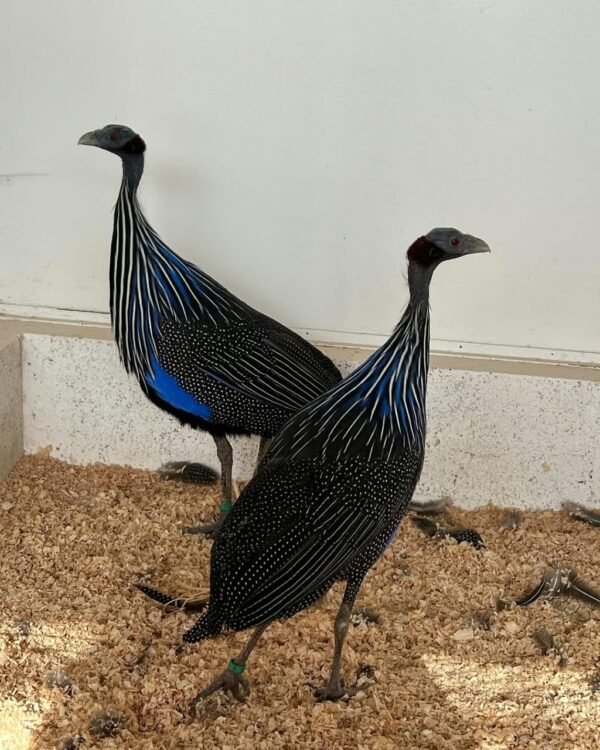
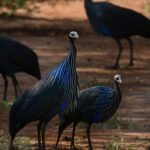
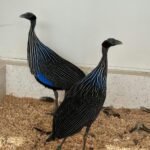
Vulturine Guinea Fowl are especially recognizable because of their striking appearance.
They have a distinctive combination of a bare head and neck, blue and red facial coloration, a long neck, dark body plumage and prominent white markings. Their overall appearance is considerably different from familiar Pearl, White or Lavender domestic guinea fowl.
Their unusual appearance is one reason they are of interest to specialized avicultural collections and experienced bird keepers.
In nature, Vulturine Guinea Fowl are associated with parts of eastern Africa. Their natural environment differs considerably from the typical backyard chicken or domestic guinea-fowl enclosure.
Captive facilities should therefore be designed around the birds’ behavior, space requirements, shelter, security and environmental needs rather than treating them exactly like domestic chickens.
I recommend secure, spacious accommodation for captive Vulturine Guinea Fowl.
A suitable enclosure should provide:
Because these are wild birds rather than ordinary domesticated poultry, specialist avicultural advice is strongly recommended.
No dedicated swimming pond is required simply because they are guinea fowl.
However, clean drinking water must always be available. Water containers should be positioned so birds cannot easily contaminate them with bedding, soil or droppings.
Vulturine Guinea Fowl require a balanced diet appropriate for their species and captive environment.
In a managed setting, feeding should be planned with the assistance of an experienced avian or exotic-bird professional. Diet may include suitable formulated feeds together with appropriate natural food items, depending on the birds’ age, condition and management system.
I do not recommend treating them exactly like chickens or commercial meat poultry.
Breeding Vulturine Guinea Fowl requires careful planning and appropriate facilities.
A breeding program should consider:
For anyone establishing a captive breeding program, I recommend working with an experienced aviculturist or qualified exotic-bird veterinarian.
Vulturine Guinea Fowl are capable of producing eggs, but they should not be marketed or managed in the same way as commercial egg-laying poultry.
Their reproductive behavior, seasonal patterns and captive performance can differ from domesticated guinea-fowl varieties.
For that reason, I do not promise a specific annual egg-production figure.
Young Vulturine Guinea Fowl require specialized care and close attention.
Young birds need appropriate warmth, shelter, nutrition, clean water and protection from predators. Their enclosure should also prevent escape and protect them from larger or aggressive birds.
Anyone purchasing or transferring young Vulturine Guinea Fowl should confirm that their facilities and permits are appropriate before the birds are moved.
For specialized collections, a large, secure aviary can provide an environment where Vulturine Guinea Fowl can move naturally while remaining protected.
The aviary should be designed specifically for the species and should include secure doors, appropriate fencing, sheltered areas and protection against predators.
Double-door entry systems can also be useful for reducing the risk of escape.
Because of their distinctive coloration and body structure, Vulturine Guinea Fowl can be of interest to experienced ornamental and avicultural collections.
They are not, however, ordinary backyard ornamental poultry. Prospective keepers should understand their husbandry requirements before acquiring them.
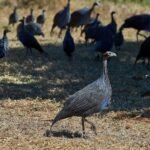
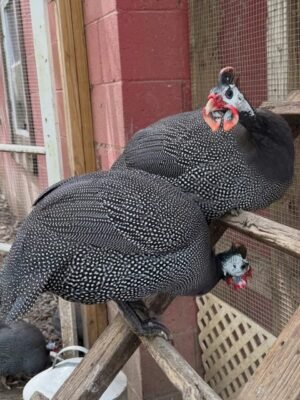
Vulturine Guinea Fowl should not be confused with common domestic guinea-fowl varieties such as:
Domestic guinea fowl have been selected and maintained for agricultural and poultry purposes, while Vulturine Guinea Fowl are wild birds with different management considerations.
I recommend Vulturine Guinea Fowl only for appropriately equipped specialist facilities rather than ordinary mixed poultry yards.
A customer considering these birds should first evaluate enclosure requirements, local regulations, veterinary support, transportation requirements and long-term care.
For conventional farm production, domesticated guinea-fowl varieties are generally the category to investigate rather than assuming a wild Vulturine Guinea Fowl can be managed like standard poultry.
Specialized breeding programs can be valuable for maintaining captive populations and supporting responsible aviculture.
I recommend keeping accurate breeding records, identifying individual birds where appropriate and maintaining detailed records of parentage, age, sex and health.
Captive breeding should always prioritize animal welfare and compliance with applicable laws.
Because Vulturine Guinea Fowl are wild birds rather than conventional domesticated poultry, availability and legal requirements can vary by country, state, province and local authority.
Before purchasing, importing, exporting, transporting or keeping these birds, customers should confirm the applicable wildlife and animal-keeping requirements.
I will not represent wild-caught birds as captive-bred birds, and I recommend purchasing only through lawful, documented channels.
I include Vulturine Guinea Fowl as a specialized bird category for customers and avicultural enthusiasts interested in unusual African guinea-fowl species.
Their remarkable appearance makes them very different from the domestic guinea fowl commonly found on farms. My priority is responsible husbandry, accurate information and appropriate handling rather than treating a wild species as ordinary poultry.
If you are searching for Vulturine Guinea Fowl for sale, captive-bred birds should only be considered where their possession and transfer are lawful.
Availability can be limited because these are specialized birds rather than common commercial poultry. Age, sex, breeding status, documentation and transportation requirements should all be confirmed before any transaction.
Product: Vulturine Guinea Fowl
Category: Wild African guinea-fowl species
Primary interest: Aviculture, specialized collections and lawful captive breeding
Appearance: Distinctive blue, red, black, white and gray coloration
Housing: Secure specialist enclosure or aviary
Pond required: No
Drinking water: Required
Breeding: Possible under appropriate captive conditions
Eggs: Yes, but not treated as commercial egg poultry
Meat production: Not positioned as ordinary commercial meat poultry
Captive breeding: Subject to applicable laws and appropriate facilities
Availability: Subject to lawful sourcing and current availability
Pure Greenland Farm — responsible information and specialist bird management for customers interested in unusual guinea-fowl species.
| AGE | CHICKS, ADULTS |
|---|
Reviews
There are no reviews yet.